The Hidden Costs of Saying “Yes” to Every Fleet Account
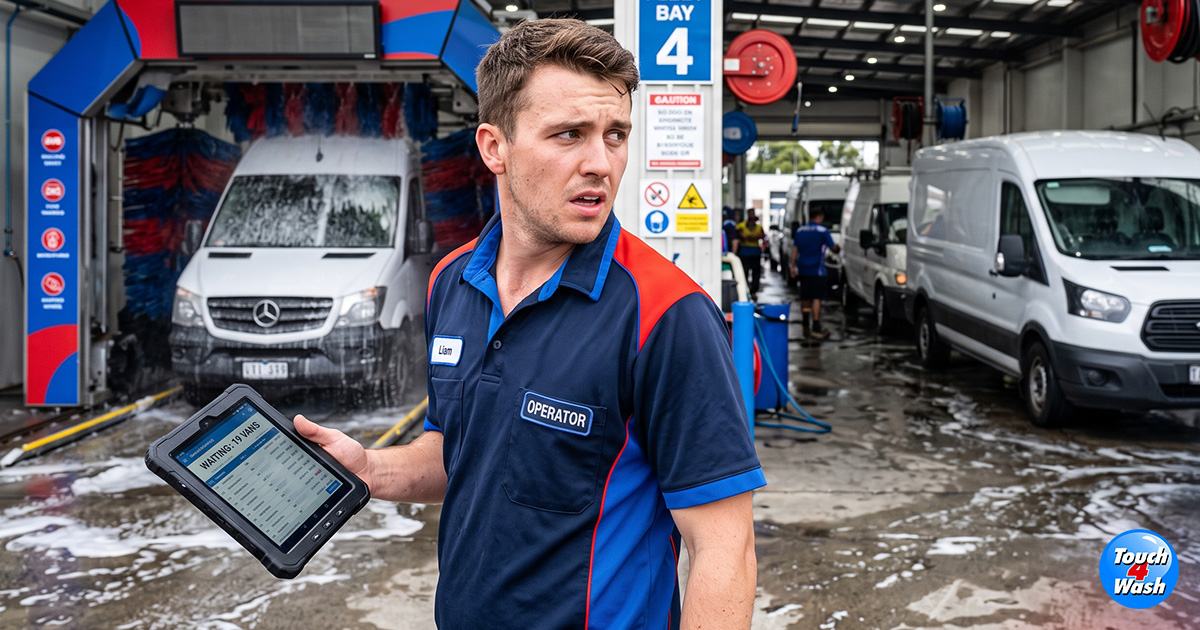
Every operator wants more fleets.
But not every fleet is worth having.
Some clients boost your weekday volume and revenue.
Others quietly drain time, resources, and your sanity.
Here’s how to spot the difference—and protect your wash without sabotaging growth.
1. High Volume Does Not Always Mean High Value
A fleet washing fifty vehicles a month sounds great…
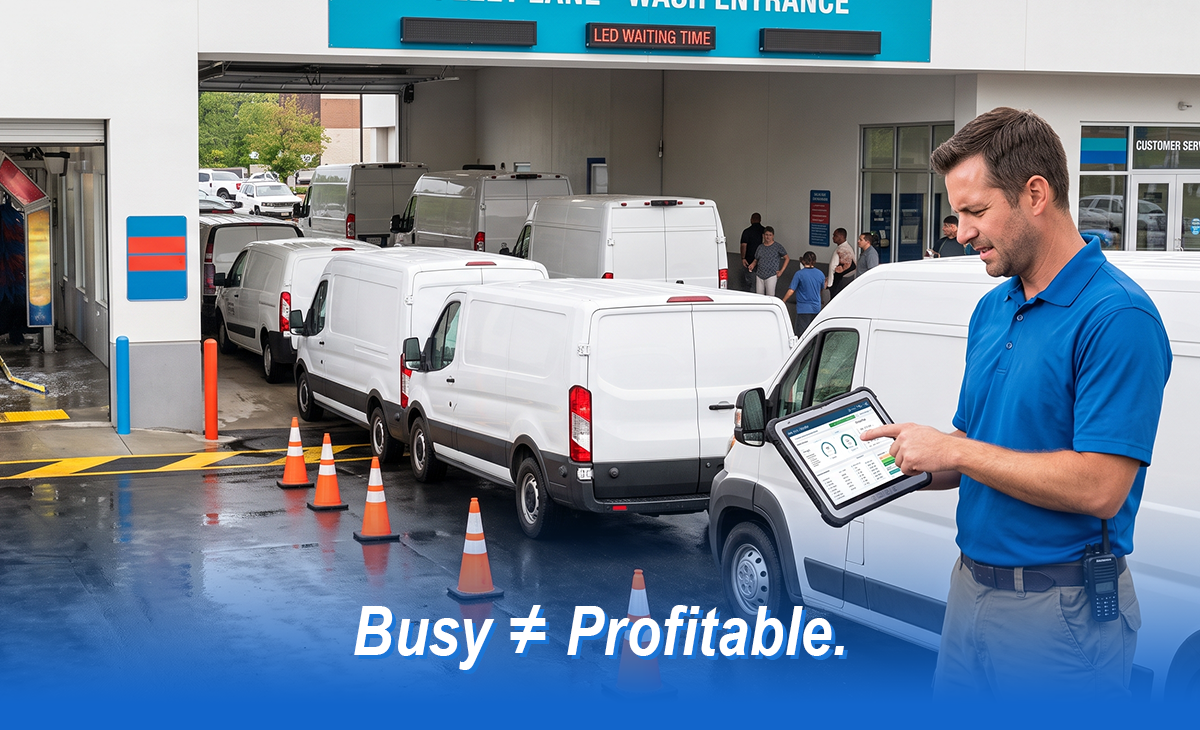
until you realize half of them come during peak hours, slow your lanes, and generate complaints.
Volume means nothing without profitability and flow efficiency.
2. Bad Billing Practices Will Eat Your Margins
Some fleet clients want:
Delayed billing
Custom invoicing
Special exceptions
Flexible payments
If it takes forever to get paid, the fleet isn't a revenue stream.
It’s an interest free loan.
Set billing boundaries early.
3. Specialized Vehicle Needs Can Strain Throughput
Oversized vans, sprayed mud fleets, and heavily used work trucks require:
Longer wash time
More chemical usage
More staff oversight
If you’re not pricing for that, you’re losing money every wash.
4. Peak Hour Washers Create Customer Friction
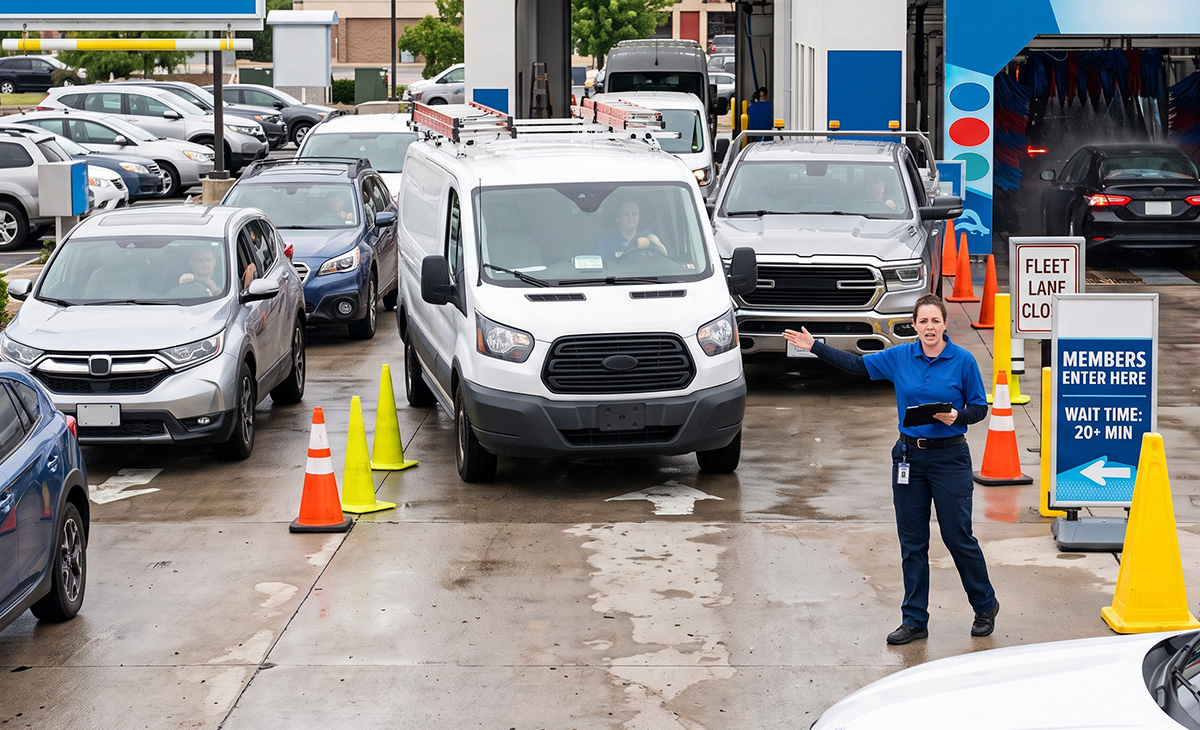
The wrong fleet at the wrong time:
Slows down consumer traffic
Creates longer lines
Hurts your membership experience
Increases churn risk
Your fleet program should protect—not disrupt—your core business.
5. Demanding Managers Drain Staff Bandwidth
Some fleet managers treat your wash like an on call service center.
That’s not the deal.
Your staff’s time is valuable.
Protect it.
6. Unclear Contracts Lead to Future Headaches
A handshake deal works… until it doesn’t.
Fleet contracts should clearly define:
Pricing
Vehicle limits
Operating hours
Billing terms
Exceptions
Damage policies
Clarity today prevents friction tomorrow.
The Takeaway
Not every fleet is a fit.
Healthy fleet growth protects your wash, your staff, your flow, and your margins.
Choose fleets that align with your capacity—not fleets that burn it.